Your room, a direction, in about two minutes.
Answer five things. You get a committed color direction, the palette that carries it, the foundation layers that make it work, and a look at real pieces from the Ashthetics catalog. Every claim on the page names the researcher behind it as you go.
1 · What room is this? *
2 · When someone walks in, it should feel... * (pick up to 3)
3 · What should this room work on in the background? (optional, pick up to 2)
4 · Rough budget for this room
5 · Any colors you can't stand? (optional, tap to veto)
A real dining room, repainted.
This is a Color Story Mini that already went out the door. Five colors, the exact paint codes to say at the store, and her own rooms shown wearing them. She asked whether the dining room should go lighter to break up all that bold. It went deepest instead, and the white trim and the pale sky ceiling are what keep it breathing. Drag the gold handle and watch it happen.
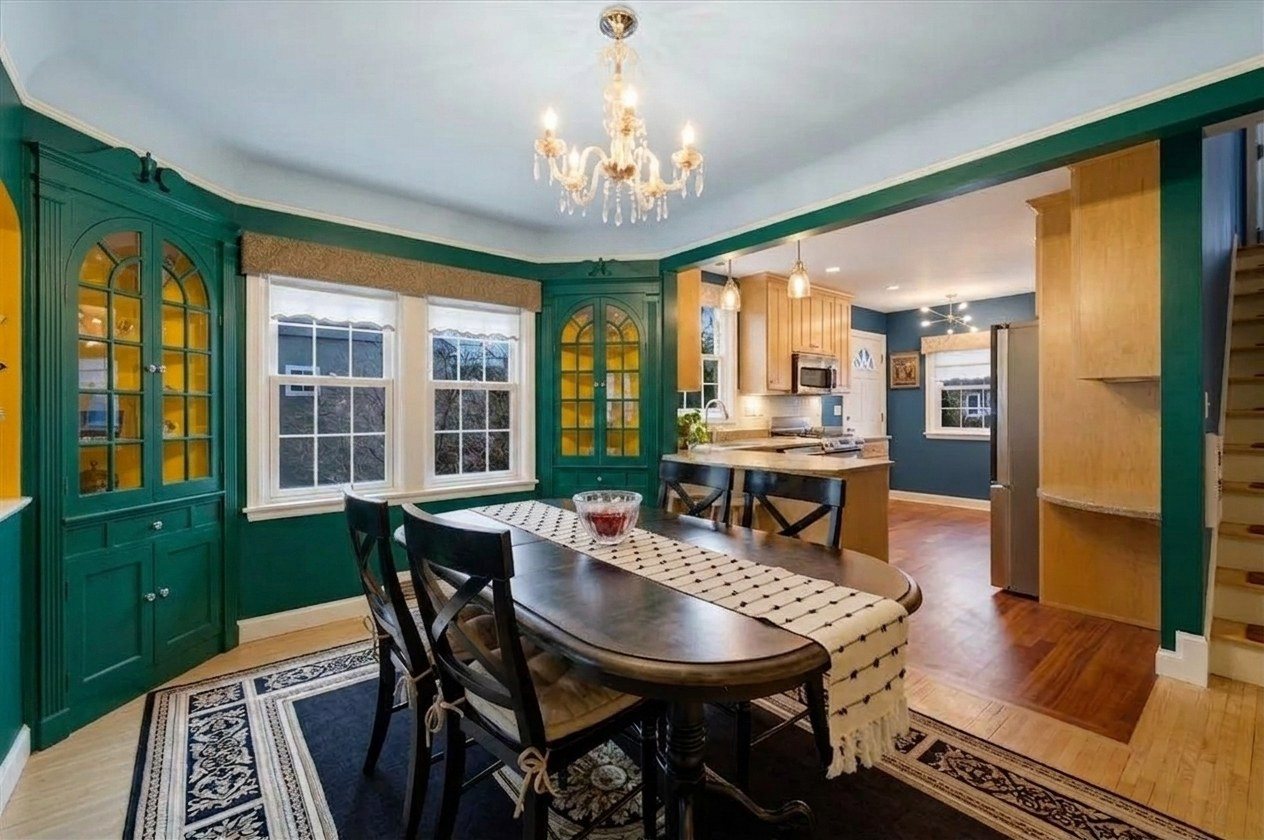
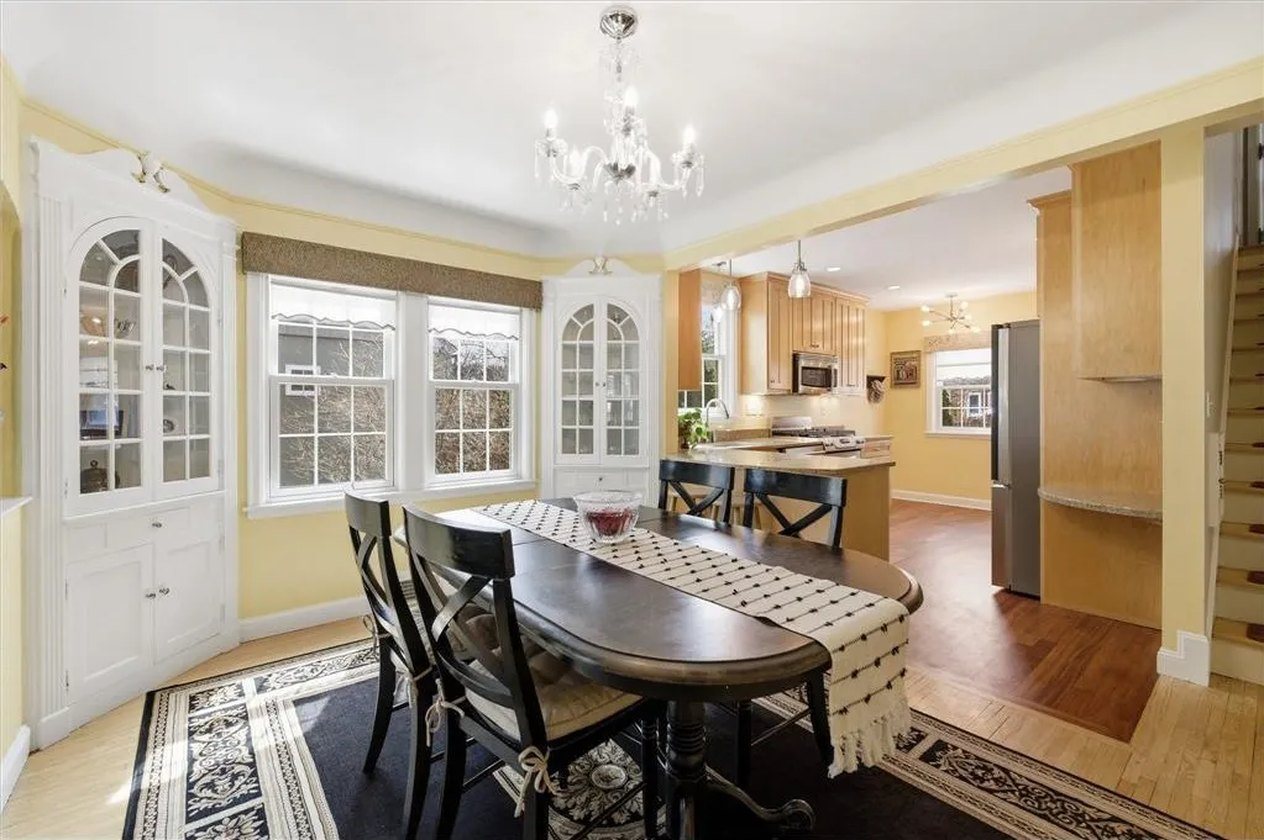
Emerald Harbor, August 2026. Concept visualization of the client's actual dining room, shared with her permission.
“It was amazing working with Ashley on a color story for my main living space. She asked insightful questions that got me really thinking about what I wanted, took that into account, and then added some fun and unique elements that I would never have thought of myself.”
The research notes above cite published work on how environments affect people, named researcher by named researcher, because that is the standard here. This is design guidance built on curiosity about that research. It is not medical or psychological advice, and no room, however good, is a substitute for care when care is what's needed.